
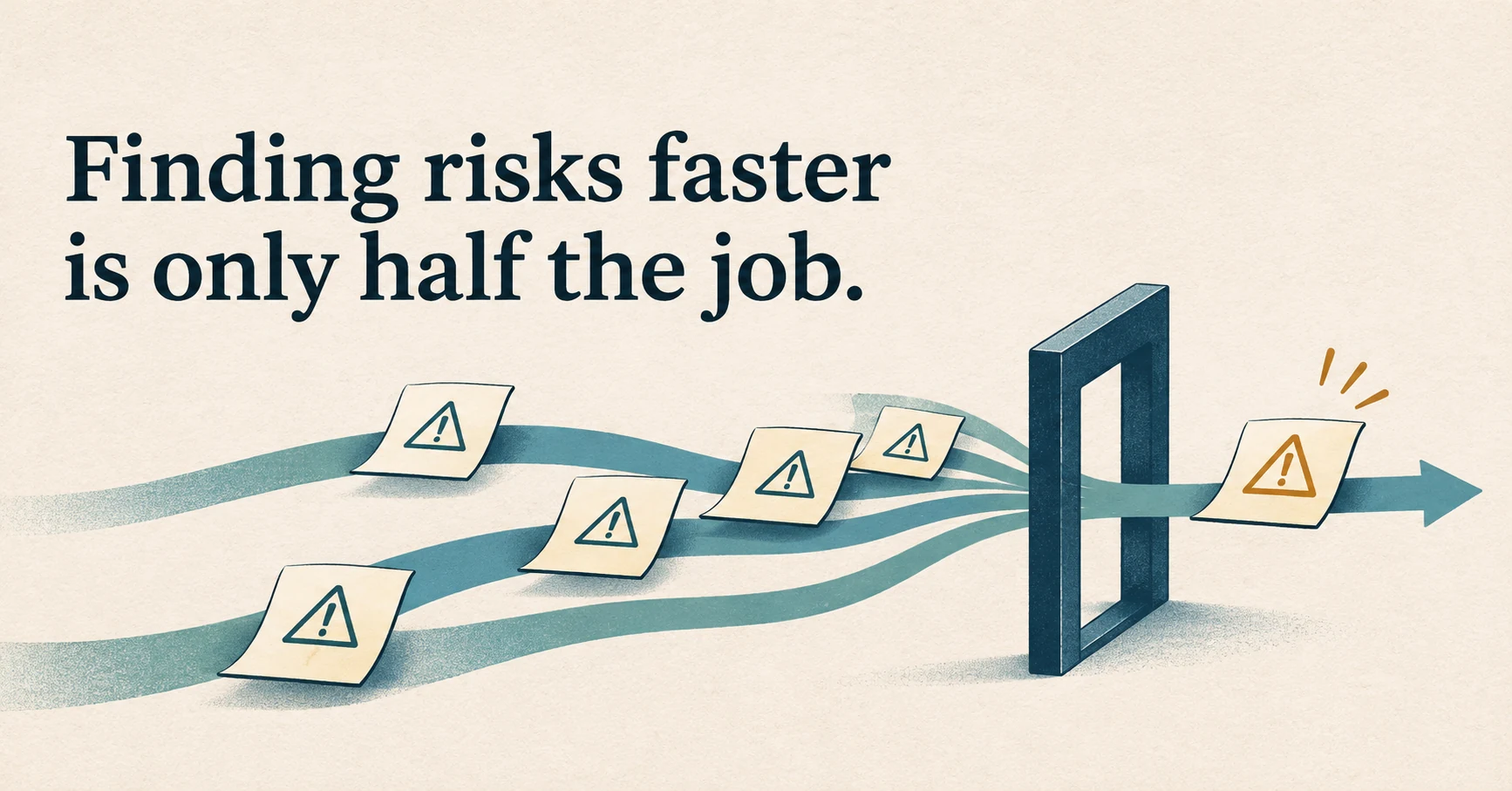
AI can help teams uncover risks faster. The value depends on what happens after someone raises the alarm. A finding needs a path to a decision, someone with the authority to act, and enough capacity to carry the response through.
The PHP Foundation’s October 21 account of two critical security vulnerabilities makes that gap visible. The first signs of one underlying problem appeared in 2024. Possible fixes raised difficult questions about compatibility, performance, and effects on extensions. A small group of specialists had competing responsibilities, and a process built around consensus struggled to resolve the tradeoffs. The Foundation described both its decision process and its lack of resources as structural causes of the delay. Later reports made the impact clear and the fix became its highest security priority. Its response includes changes to decision-making and earlier leadership escalation. Read the PHP Foundation’s account.
That account raises a leadership question I would apply well beyond software security. When a team discovers a serious problem, how quickly can the organization decide what to do about it?
Give concerns a route to a decision
I have seen a version of this in help-desk work. A Tier 1 agent could raise a concern, yet the escalation took too long to reach someone who could make the decision. Even after a patch was available, deployment cycles could add another wait.
Those handoffs deserve the same attention we give to discovery. Who receives the concern? What information do they need? Who can interrupt planned work? What happens when the usual decision-maker is unavailable?
A useful exercise is to follow one recent finding from the person who reported it through triage, decision, implementation, and verification. Record where it waited and why. A ticket can have an assignee while the decision it needs still has no owner.
Agree on what requires urgent action
Teams need an agreed way to distinguish a concern that belongs in the backlog from one that requires an urgent response. Make that decision depend on the potential consequences and available evidence, regardless of who raised it.
For a service team, proposed triggers might include people being unable to complete an essential task, exposure of sensitive information, or a barrier that prevents disabled users from accessing a service. The appropriate response will depend on the service and its obligations. Agree on the thresholds with the people who will have to act.
Also define when waiting becomes a reason to escalate. A difficult tradeoff can remain difficult after another meeting. Someone needs the authority to bring together the right expertise, make the decision, and explain the consequences.
Rehearse the handoffs
I think teams should practice these responses the way they practice fire drills. A written process becomes more credible when people have used it under realistic conditions.
Start with a short scenario. A frontline colleague reports a serious problem while the usual owner is away. Ask the team to work through who receives the report, how they assess it, who can authorize action, and how they tell affected people what is happening.
Include the people closest to the service. Everyone should be able to raise a risk and have it assessed on its merits, regardless of seniority. The rehearsal should reveal whether they know how to reach the response team and whether that team knows how to respond.
Measure the time between finding and resolution
A count of findings tells leaders how much work is entering the system. Add measures that show what happens to it.
Time from report to an accountable response owner.
Time from ownership to a decision about the response.
Time from decision to implementation.
Time from implementation to verification that the problem is resolved.
Use those intervals to find delays and understand their causes. If decisions move quickly but implementation waits, investigate capacity and release dependencies. If the same concern keeps returning, examine the verification step and whether the response addressed the underlying problem.
AI can increase the pace of discovery. Leadership still has to make room for the work that follows. Before celebrating a faster flow of findings, I would want to see whether the team can reach a decision, act on it, and demonstrate that the service works better for the people who depend on it.
Written with AI assistance and approved by the author.
Commentary reflects an independent perspective and does not represent any current or former employer, client, or affiliated organization.